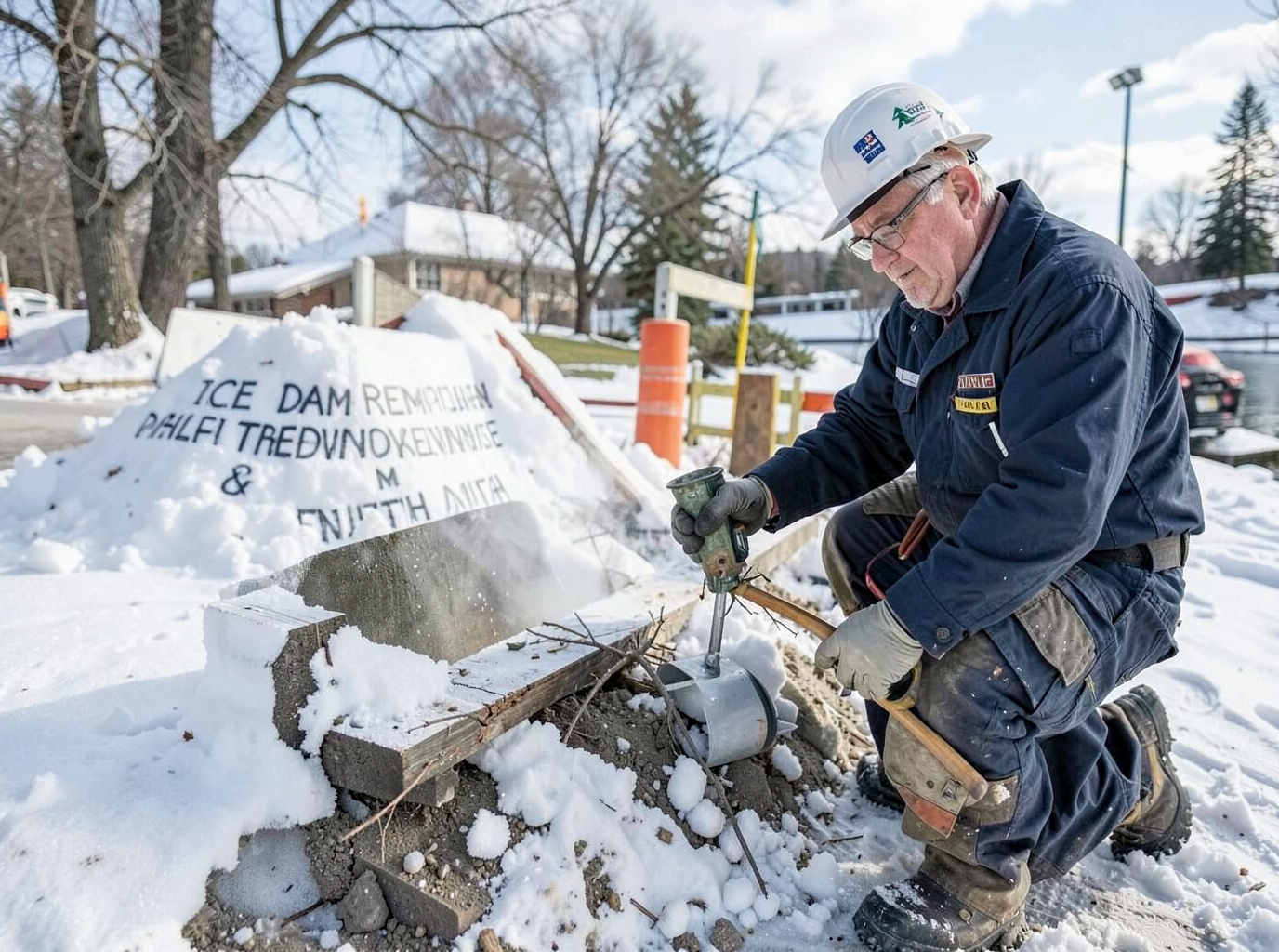
Duluth roofs face repeated freeze-thaw cycles when heavy snow sits against the eaves while attic heat melts the underside. Older homes in East Hillside and Denfeld often lack sufficient insulation or ridge venting, so warm air rises and creates the exact melt-and-refreeze pattern that builds dams. We use steam wands and low-pressure removal tools on asphalt and metal roofs to clear ice without damaging shingles or flashing.
Prevention starts with addressing heat loss at the attic plane. In Park Point and Central Hillside properties near Lake Superior, we install heat cables along eaves and valleys, add baffles to maintain airflow, and seal penetrations around chimneys and plumbing vents. These steps reduce the chance of water backing up under shingles during the next heavy snow event.
St. Louis County building practices in neighborhoods like Morgan Park and Piedmont Heights mean many roofs have limited overhangs and older felt underlayment that fails faster once water pools. We inspect for rotted decking and recommend ice-and-water shield upgrades in the first six feet of the eaves where dams typically form.
Homeowners in Endion and near Enger Tower sometimes see ice dams recur on the same roof sections year after year because downspouts empty too close to the foundation. Redirecting drainage and clearing gutters before the first major snowfall prevents the ice from reforming against the lower courses.
Technician insight
In Duluth the thing that catches most people out with Ice Dam Removal & Prevention is the combination of older balloon-framed homes in West Duluth and the steady lake-effect snow that piles against eaves without enough attic ventilation. Once the melt water hits the cold overhang it refreezes fast, and skipping the insulation check means the dams come back the next storm.
Recurring Dams on a Lincoln Park Bungalow
Heavy snow sat against the north eaves of a 1920s bungalow. We found thin insulation and blocked soffits allowing attic heat to melt snow from below. After steam removal and adding ridge vents plus heat cable, the homeowner reported no new dams through the rest of the winter.
Ice Dam Removal & Prevention Services We Offer
✓Ice Dam Steam Removal
Steam wand clearing of ice buildup along eaves and valleys on asphalt and metal roofs common in Lincoln Park and West Duluth.
✓Heat Cable Installation
Self-regulating cable systems installed on eaves, valleys, and gutters to keep melt paths open during St. Louis County winters.
✓Attic Insulation and Air Sealing
Blow-in or batt upgrades plus sealing of penetrations to stop heat loss that drives ice dam formation in older Duluth homes.
✓Ridge and Soffit Ventilation Improvements
Adding or clearing vents to maintain cold attic temperatures in Lakeside and Park Point properties exposed to Lake Superior winds.
✓Gutter and Downspout Clearing
Full cleaning and extension of downspouts to move water away from foundations before heavy snow loads arrive.
Ice Dam Removal & Prevention Cost in Duluth, MN
| Service | Typical Range | What Affects It |
|---|---|---|
| Ice Dam Removal Visit | $250–$550 | Varies with roof height and ice thickness in multi-story homes near Canal Park. |
| Heat Cable Installation | $400–$900 | Per linear foot of eaves; longer runs on Lakeside properties increase cost. |
| Attic Air Sealing And Insulation | $600–$1,400 | Depends on square footage and access in older Denfeld or Morgan Park homes. |
| Full Gutter And Downspout Service | $150–$300 | Includes extensions for proper drainage away from foundations. |
Ranges are typical for Duluth, MN and confirmed with an exact written quote before any work starts.
How it works
- 1
Site Assessment
We inspect the roof, attic, and gutters from both inside and out, noting insulation levels and heat sources in neighborhoods like East Hillside.
- 2
Ice Removal
Steam and manual tools clear existing dams without shingle damage, focusing on the lower six feet of eaves typical in Duluth construction.
- 3
Prevention Work
Heat cables, insulation, or ventilation fixes are installed based on the assessment to address the root cause.
- 4
Final Check And Drainage
We verify water flow paths and confirm no standing water remains near the structure.
Pricing
Pricing depends on roof pitch, number of stories, and whether prevention upgrades are added.